The Book of Hypsiphrone
A named woman, a revelation in her own voice, a man with a name meaning bright-eyed, and fire. That is everything the manuscript preserves of Hypsiphrone: a few sentences off the end of a ruined codex. Nothing survives to contradict us, so we wrote her whole book.
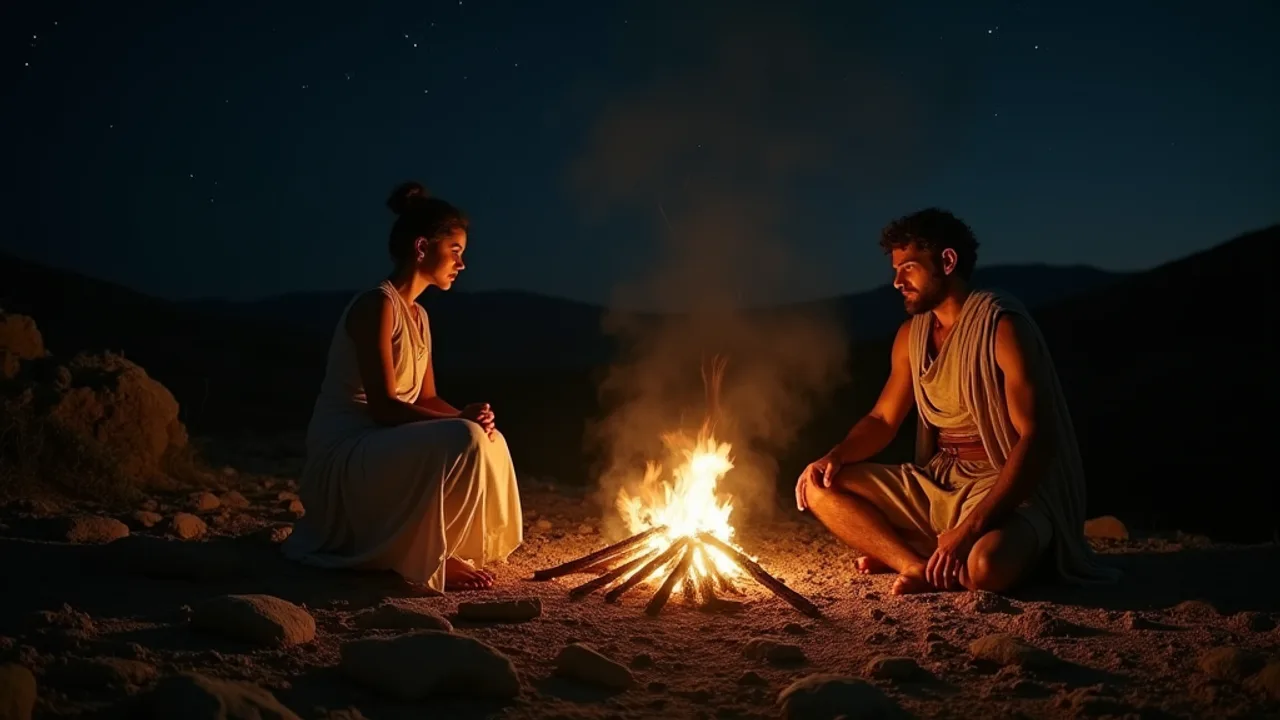 AI illustration
This article is fiction. Hypsiphrone is a real Nag Hammadi tract, the last in Codex XI, surviving only as a few badly damaged fragments in which a female figure descends from the place of her virginity and speaks with a figure called Phainops, alongside a reference to virgin fire. The complete text below was written for this article and is not a translation.
The hole
Codex XI is the library’s worst-run bookshelf. It carries four works and hurts all of them. The Interpretation of Knowledge is in tatters. A Valentinian Exposition is worse. Allogenes comes through in decent shape and is the reason anyone opens the codex at all. And then, at the very back, on the last few pages, is Hypsiphrone, which is barely a text.
What is there is roughly this. A title, which in Greek means something like the high-minded one, or she whose thought is above. An opening that announces itself as the book of the things Hypsiphrone saw, told in the first person. She is in the place of her virginity. She comes down into the world of mortality. There is a figure called Phainops, whose name means bright-eyed or shining of face. There is a phrase about blood, and virgin fire. And then the manuscript stops being a manuscript.
That is the entire evidentiary base. A name, a voice, a descent, a second character, and fire.
Compare what we lost by looking at what we kept. Thunder, Perfect Mind is a first-person revelation in a female voice and it is one of the strangest and most powerful things in the whole find, the one that gets set to music and read at funerals by people who could not name a single other gnostic text. Hypsiphrone is a first-person revelation in a female voice too. It is the one that rotted.
There is nothing here to contradict, which makes this the freest entry in the series, and the most dangerous, so we will say it twice rather than once. Everything below is ours.
The reconstruction
1 The book of the things that Hypsiphrone saw, and told to those who were with her, in the place of her virginity.
2 I am the high thought, and I was not sent. Understand the difference, for the others were sent, and a sent one may say, it was required of me. I came down because I wanted to see, and there is no one for me to blame, and this is the beginning of my authority.
3 In the place of my virginity nothing was taken from me and nothing was given, and I did not know which of these two was the loneliness.
4 I looked down through the water of the aeons and I saw the world of mortality, and it was smoking, and I said: something down there is burning, and something down there is being kept warm, and from this height they are the same light.
5 So I went down, and as I passed the powers each one asked me for my name, and I gave it, and none of them wrote it correctly, and I did not correct them. Let them file me wrongly. It is how I stayed free in their house for so long.
6 And I came to a place where a man was standing at a fire, and his face took the light and gave it back, and for that reason he is called Phainops, the bright-eyed, though his eyes were the ordinary eyes of a man and it was the fire doing the work.
7 He said: You are not from here.
8 I said: No.
9 He said: Will you tell them, or will you tell me?
10 And I understood that he had been visited before, and had learned in that visit that the crowd is not the place to put a thing like this, and I was sorry for him, and I sat down at the fire.
11 He said: What is this fire? For it does not consume the wood, and I have burned nothing all night, and I am warm.
12 I said: It is the virgin fire, which is fire that has never eaten. All the fire you know is a mouth. This one is an eye.
13 He said: Then why does it look like fire?
14 I said: Because you are looking. It arrives as the nearest thing you already have. To the smith it is a forge, to the mother it is a hearth, to the frightened it is the burning of a house, and each of them is reporting honestly, and each of them is reporting the shape of their own life, and the arguing afterward is the funniest and saddest thing we watch from above.
15 And he said: What is the blood, then? For I have seen blood in it.
16 And I said: You have seen the cost. Nothing comes down for nothing. Every descent is paid for by the one descending, and when you look into the fire long enough you begin to see what it cost me to be sitting here talking to a man at a fire, and this is why the seers among you go quiet and then go strange. They have started seeing the price tag on the gift.
17 He said: Stay.
18 I said: I am the high thought. If I stay I am a low one, and you will not want me by the second winter.
19 He said: Then what am I to do with what I have seen tonight?
20 And I said: Say it once, plainly, to one person who will not laugh, and then live as if it were true. That is the whole of it. Those who make a doctrine of it will fight, and those who make a secret of it will rot, and those who make a life of it will be called dull by both, and will be the only ones who received anything.
21 And I went up from him, and the fire stayed, and it burns in that place still, and no one has ever found it by looking, because it is only visible to the one who is warm.
22 This is the book of Hypsiphrone. Do not add to it. [ the codex ends ]
What we invented, and what we did not
Attested and sourced above: the tract’s existence, its position as the last and most ruined text of Codex XI, its title and that title’s meaning, its first-person female voice, its opening formula naming what Hypsiphrone saw, the place of her virginity, the descent to the world of mortality, the character Phainops and the meaning of his name, and the mention of virgin fire and blood. That short list is genuinely the whole of the surviving evidence.
Extrapolated: the dialogue form. A gnostic revelation in which a descending figure meets a named human and answers questions is the ordinary shape of the genre, so putting these two in a conversation is a reasonable guess and not a wild one.
Invented outright: everything else. The fire that does not consume, the powers filing her name wrongly, the price of the descent visible in the blood, the closing instruction. We wrote a complete work and called it complete, which is the one thing no honest scholar can do with this text, and the reason it is worth doing here, in the room reserved for it, wearing a label.
What the invention argues: two things, and the second is the reason we chose this tract. First, that the answer to why did it look like fire is almost always because you were the one looking, which is the single most useful idea the esoteric tradition has ever handed to the study of anomalous experience. Second, verse 20. The whole history of contact literature is the war between the people who turn an experience into a doctrine and the people who turn it into a secret, and both groups lose the thing itself. Hypsiphrone is a text that lost itself completely, and there is a version of that which is not a tragedy.
Every new case, scored the same way
One email when a case file lands, with its Signal-Strength score and what would move it. No hype, no 'BREAKING', and every claim carries its source. Unsubscribe anytime.
Sources
Read next
More Fiction, maybe? →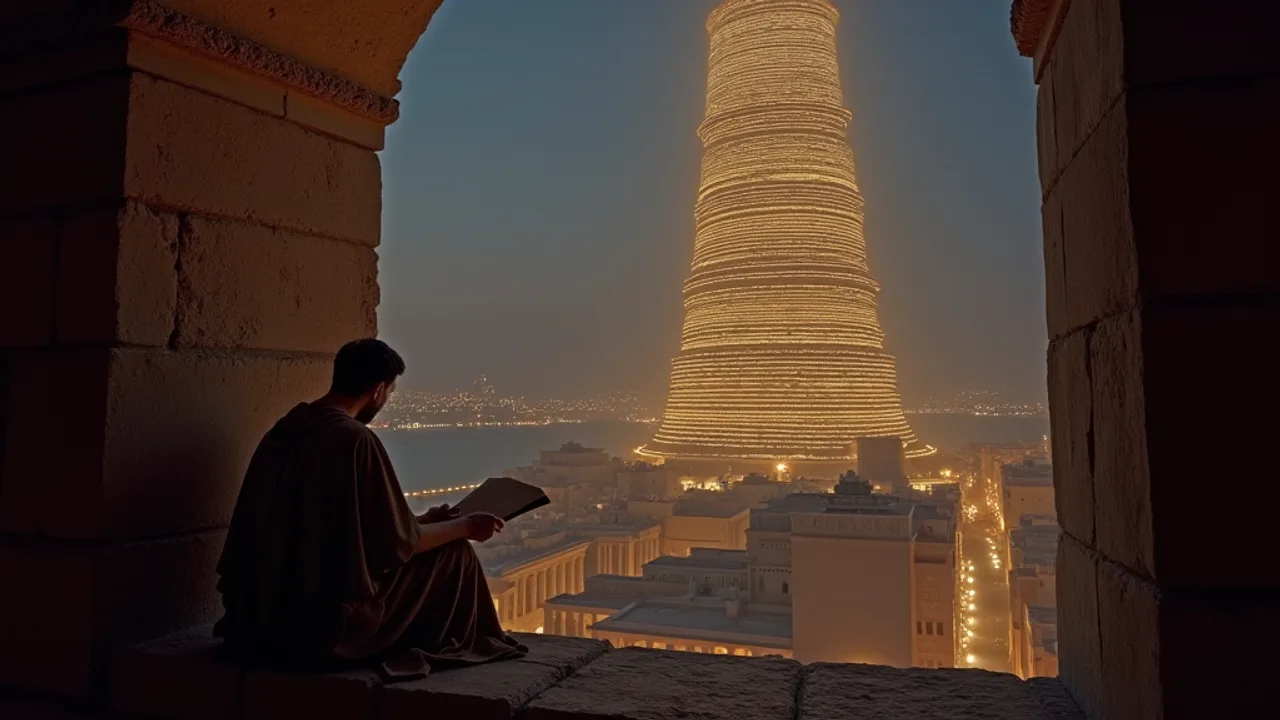
Basilides, Exegetica, Book Thirteen
He wrote twenty-four books in Alexandria around the year 130. We have a page and a half, quoted by men who were refuting him. The most disturbing idea attributed to him is that ignorance is installed on purpose, as an act of mercy. This is the middle book, invented, arguing that case.
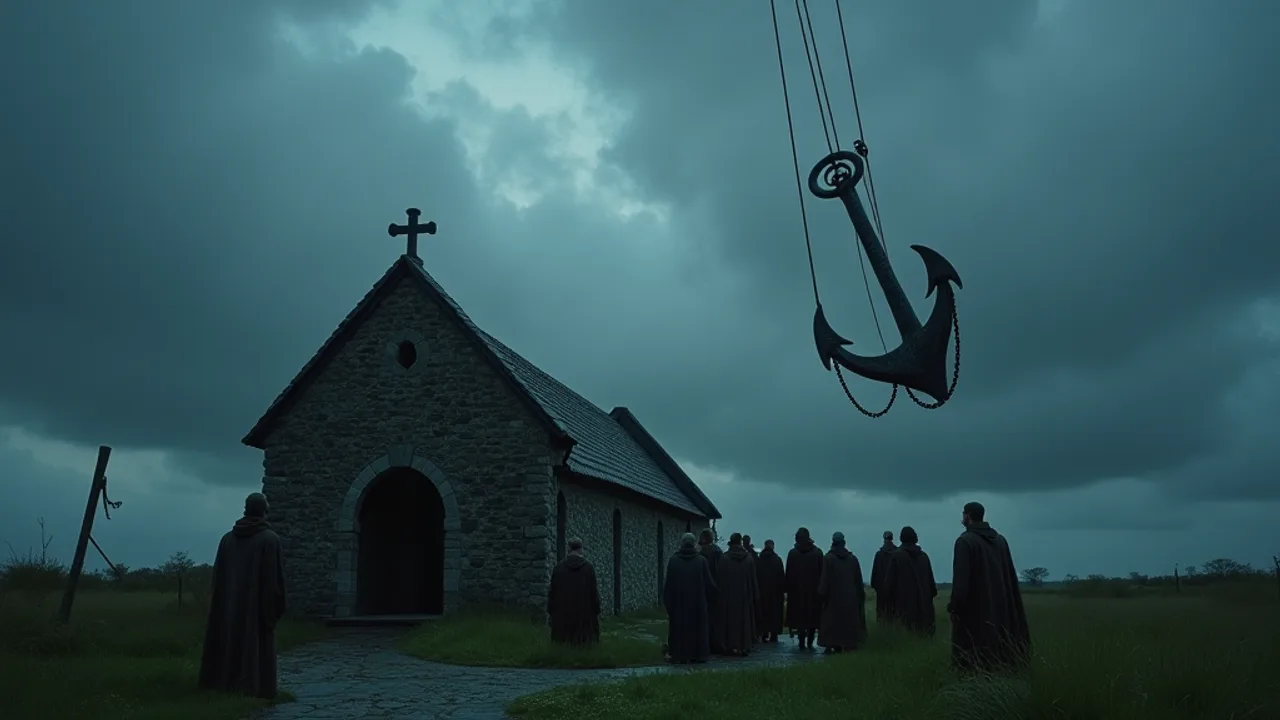
The Office Against the Ships of the Air
A work of fiction built on a real silence. Medieval sources describe ships sailing on the clouds: Agobard of Lyon in 815, Irish annal-keepers in the 740s, Gervase of Tilbury around 1211, and a Norse king's mirror that puts an anchor in the church door at Clonmacnoise. Not one of them records what the priest was supposed to say. We wrote the rite that is missing, labelled every line of it as ours, and then explained why it would not have worked.
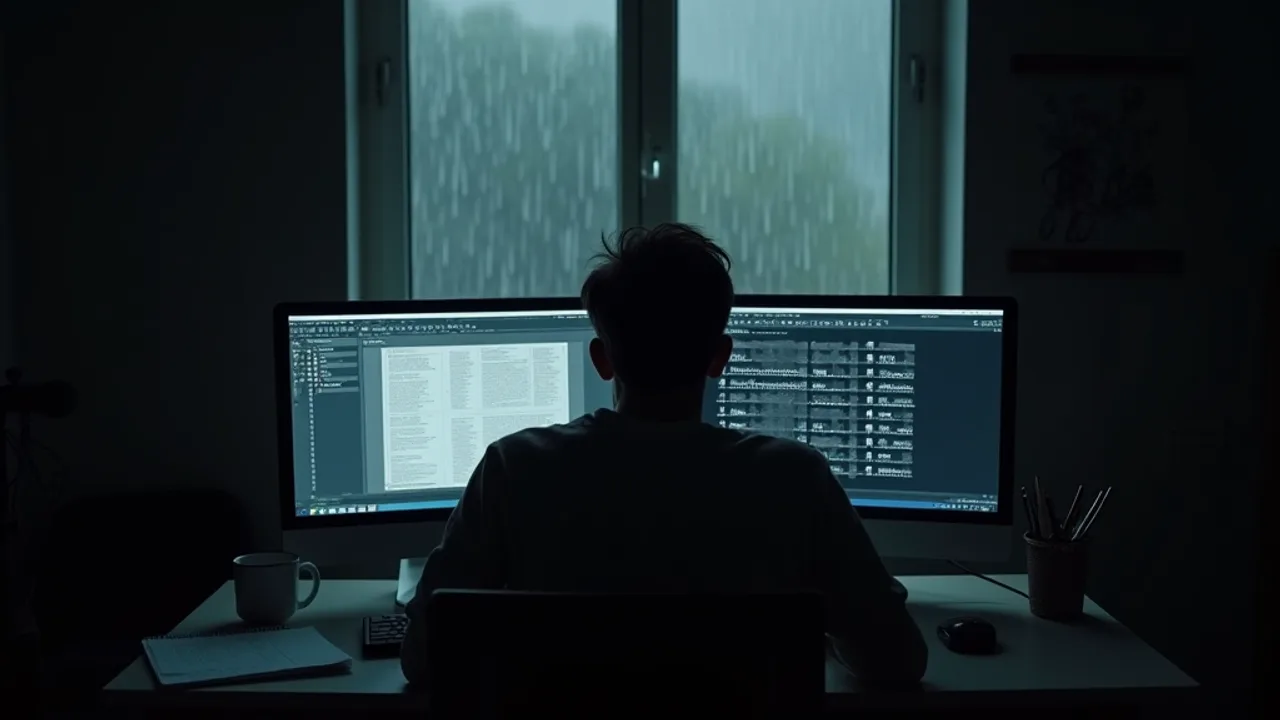
The Sixth Tranche
A work of fiction. The Pentagon has published five tranches of UAP files at war.gov/ufo, with dates and locations redacted to protect witnesses, and says more are coming. This story imagines the sixth, and the volunteer archivist who mirrors it at two in the morning and finds one file whose metadata does not agree with the others. No sixth tranche had been published when this was written. Everything about it below is invented.
Follow the thread
New disclosure reporting, physics breakdowns, and case files, in your inbox. Sources or it didn't happen. No spam, unsubscribe anytime.