Colares 1977: The UFO 'Attack' Brazil's Air Force Officially Investigated (Operação Prato)
In 1977, on a small island in the Amazon delta, hundreds of residents of Colares said they were being struck by beams of light from low-flying objects, burns, puncture marks, dizziness, anemia. The Brazilian Air Force did something almost no government has done before or since: it sent an official team to investigate, photograph, and document it. Operação Prato, 'Operation Saucer', ran for months, filled a dossier now in the National Archives, and officially concluded it found nothing unusual. Here's the case, the files, and why it scores higher than far more famous ones.
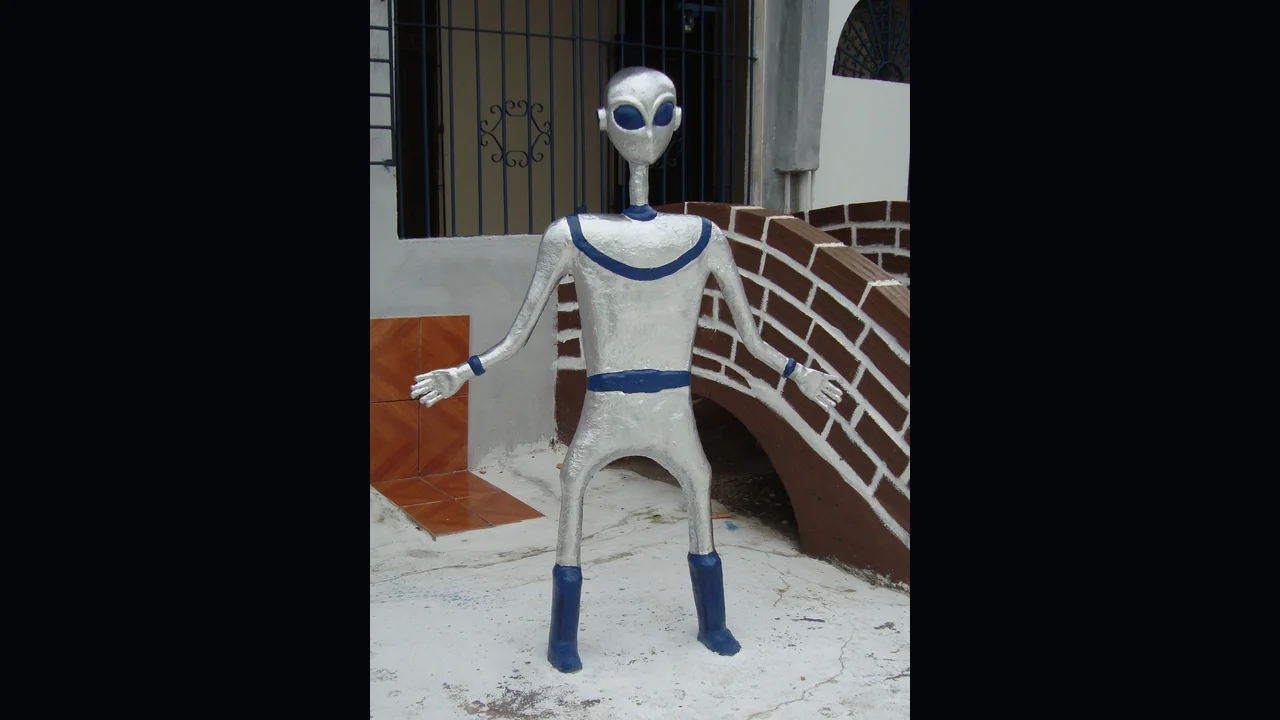
Most UFO cases are a story without a state, witnesses on one side, a government shrug on the other. Colares is the opposite. In 1977, on a small island in the mouth of the Amazon, so many people reported being hurt by lights in the sky that the Brazilian Air Force did the thing governments almost never do: it sent an official team to find out. The result, Operação Prato, is one of the most heavily documented UFO investigations in history, and the paper trail is precisely what makes the case worth taking seriously, whatever you conclude happened.
A note on the images. The dramatic 1977 photographs and sketches the Air Force produced are held at Brazil’s National Archives and are very likely still under copyright, so we don’t reproduce them here. The hero image above is a freely licensed photo of Colares’ own UFO imagery. To see the originals, consult the Arquivo Nacional holdings and the case overview on Wikipedia.
The “chupa-chupa”
Through 1977, residents of Colares, Pará, an island community in the Amazon delta, reported low, luminous objects that played beams of light down onto people, often at night, often through the roofs and windows of their homes. Those struck described a burning sensation, small puncture-like marks, headaches, dizziness, and a lingering weakness that local doctors compared to anemia. The townspeople named the lights “chupa-chupa”, “sucker-sucker”, out of a belief, repeated up and down the coast that year, that the beams were drawing their blood.
The town responded the way frightened communities do: nightly vigils, bonfires, fireworks, church bells, anything to keep the lights away. When that failed, the mayor, José Ildone Favacho Soeiro, did something consequential. He asked the Air Force to come.
Operation Saucer
The Brazilian Air Force (FAB) answered with Operação Prato, literally “Operation Plate,” but universally rendered “Operation Saucer.” Running from roughly October 1977 into early 1978, it was commanded operationally by Captain Uyrangê Hollanda, under senior officers, and, tellingly for the era, run alongside the SNI, the military dictatorship’s intelligence service.
For months the team did fieldwork most ufologists can only dream of: interviewing hundreds of witnesses, collecting medical reports on the injuries, and waiting in the dark with cameras. They captured photographs and film of lights maneuvering over the water and the treeline. They drew careful sketches of the shapes witnesses described. They filled a dossier.
And then the official verdict landed, deflating: the operation found no unusual phenomena, and was closed. That single line is the heart of the Colares paradox, a military investigation thorough enough to produce a small archive, concluding, officially, that there was nothing to see.
What the files actually contain
This is where Colares stops being a normal case. The Operação Prato material is real, and it’s accessible: the FAB released UFO-related documents around 2009-2010, and the dossier sits in the National Archives. Reporting at the time confirmed the broader context, that the SNI had quietly tracked UFO reports throughout the dictatorship.
What the files document is not a saucer on a lawn. It’s something subtler and, in some ways, more unsettling: a sustained, geographically concentrated wave of injury reports, taken seriously enough by a national air force to mount a months-long operation, and recorded in the bureaucratic language of a military that did not want to look credulous. Ufologists like Jacques Vallée, who examined the case, noted that the described injuries were consistent with microwave or radiation exposure, a detail that is either a clue or a coincidence, and the files don’t settle which.
The captain’s epilogue
There is a darker coda the case can’t shake. In 1997, twenty years on, Hollanda broke his long silence in an interview with ufologists, describing genuine encounters and the fear that ran through his team. About three months later he was found dead at home, ruled a suicide. No evidence ties his death to the investigation, but in a case already steeped in dictatorship-era secrecy, the timing was enough to launch a permanent sub-genre of conspiracy theory. We log it as what it is: a tragedy, and an unproven link.
How to weigh it, and where it scores
Be careful in both directions. The sincere, large-scale injury reports are real, and so is the extraordinary official record. But “documented” is not “extraterrestrial”: the photos show ambiguous lights, the Air Force’s own conclusion was nothing unusual, and there are serious mundane candidates, mass-sociogenic illness, misperceived aircraft and astronomical objects, and conventional medical explanations for the symptoms, that a fair reading has to hold open.
On our four-axis Signal-Strength rubric (see the badge above), that combination lands Colares at Credible, and notably, it gets there almost entirely on the official-record axis. It has strong witnesses and a genuine government investigation, but weak instrumentation and real debunking candidates. That places it above far more famous cases on our ranked case files, not because the lights were proven, but because almost no other case comes with a months-long military operation and an archive you can actually request. It’s the cleanest illustration of the rubric’s core point: a case gets strong when the evidence survives outside any one witness’s memory, and Colares survives inside a filing cabinet at the Arquivo Nacional.
What to make of it
Colares is the rare UFO case where the interesting question isn’t “did the witnesses make it up”, too many people, too many doctors, too much paperwork for that. The interesting question is what a real, frightened community and a real air force were actually documenting: a genuine anomalous phenomenon, a regional panic that manufactured its own symptoms, or some braid of the two. The official answer was “nothing.” The official files say otherwise about how seriously “nothing” was taken.
When a researcher finally publishes the full dossier with rigorous medical and photographic analysis, we’ll update this page. Until then, Colares stands as the best-documented UFO case that a government ever officially decided was not a UFO case at all.
Compare Brazil’s other landmark case, the Varginha ‘ET’ incident, see the full table of Brazilian cases ranked by evidence, where Colares places third, and see where every reported being-type sits on the evidence.
Every new case, scored the same way
One email when a case file lands, with its Signal-Strength score and what would move it. No hype, no 'BREAKING', and every claim carries its source. Unsubscribe anytime.
Frequently asked
What was the Colares UFO incident? +
In 1977, residents of Colares, an island town in Pará, Brazil, in the Amazon delta, reported being struck by beams of light from low-flying unidentified objects. They named the lights 'chupa-chupa' ('sucker-sucker') and described burns, small puncture marks, dizziness and anemia-like symptoms. The reports were numerous and sustained enough that the local mayor asked the Brazilian Air Force for help.
What was Operação Prato? +
Operação Prato ('Operation Plate' or 'Operation Saucer') was the Brazilian Air Force's official investigation into the Colares sightings, running from roughly October 1977 into early 1978. Led by Captain Uyrangê Hollanda, the team interviewed witnesses, gathered medical reports, and photographed and filmed lights in the sky. It is one of the most extensive government UFO investigations ever conducted, and its files are now held at Brazil's National Archives.
Did UFOs really attack people in Colares? +
That is not established. Residents genuinely reported injuries, and the Air Force genuinely documented the reports, but the official conclusion was that it found no unusual phenomena. Skeptics point to mass-sociogenic illness, misidentified aircraft and lights, and conventional medical explanations. The photographs the team captured show ambiguous lights, not craft. What's unusual here is the depth of the official record, not proof of an attack.
What happened to Captain Hollanda? +
In 1997, two decades after the operation, Captain Hollanda gave a candid interview to ufologists describing real encounters and fear among his men. About three months later he was found dead at home in what was ruled a suicide. The timing fueled conspiracy theories, but no evidence has linked his death to the case.
Are the Operação Prato documents real? +
Yes. The Brazilian Air Force released tranches of UFO-related documents around 2009-2010, and the Operação Prato dossier, reports, witness accounts, sketches and photographs, can be consulted through Brazil's National Archives (Arquivo Nacional). That official paper trail is exactly what makes Colares unusual among UFO cases.
Sources
- [1] Wikipedia, Operação Prato (overview, command, dates, outcome)
- [2] Folha de S. Paulo, 'SNI investigou óvnis durante a ditadura' (Rodrigues, 11 Jan 2009)
- [3] O Estado de S. Paulo, 'Aeronáutica libera documentos sobre aparição de óvnis' (Dantas, 14 Aug 2010)
- [4] Yahoo News, 'Operation Saucer: The Official Search For UFOs That Attacked Brazilians With Light Beams in 1977' (Andy Wells)
- [5] Jacques Vallée, Confrontations: A Scientist's Search for Alien Contact (1990), p.134, author profile (Wikipedia)
- [6] Hero photo: LeRoc, Wikimedia Commons (CC BY-SA 4.0)
Read next
More History & Lore →
Brazil's UFO Cases, Ranked by Evidence: Why the Most Famous One Comes Last
Brazil has the deepest UFO archive in the Southern Hemisphere: a Navy photo sequence, a four-month Air Force field investigation, a night of radar intercepts confirmed by a cabinet minister, a metal sample analysed for sixty years, and a creature story that became a tourist industry. Scored on the same four axes, they line up in almost exactly the reverse order of their fame.
The Night of the UFOs: Brazil Scrambled Its Air Force in 1986, and the Minister Said He Had No Explanation
On 19 May 1986, radar across four Brazilian states tracked objects nobody could identify, five fighters went up after them, and four days later the sitting Minister of Aeronautics stood in front of the press with his pilots and said, on the record, that the Air Force had no explanation. It is almost unknown outside Brazil, and by a transparent evidence rubric it is the best-documented case the country has, far above the one everybody has heard of.
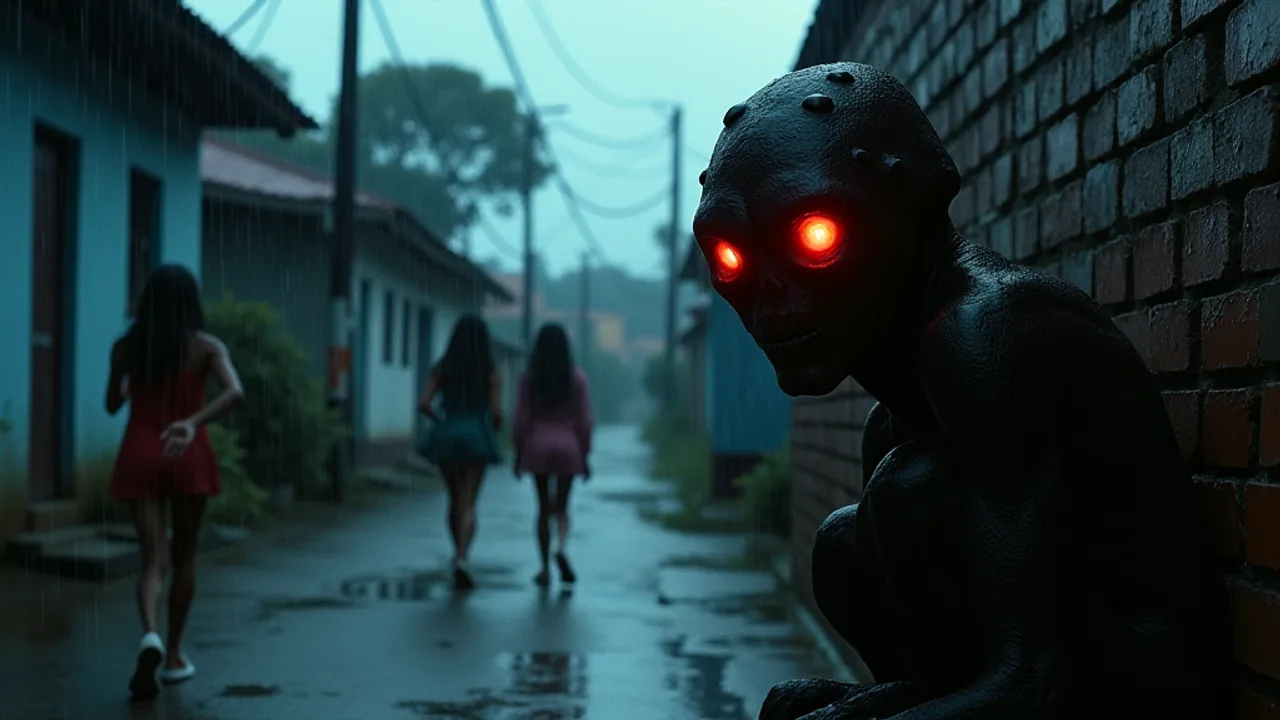
The Varginha Incident, Explained: Brazil's 'Roswell' and What the Evidence Actually Shows
In January 1996, three young women in Varginha, Brazil said they saw a hunched, red-eyed creature crouched by a wall. Thirty years later it's the most famous UFO case in the Southern Hemisphere, wrapped in claims of a military capture, a dead soldier, and a body flown to a university. Here's what was actually witnessed, what only got attached later, what the Brazilian Army's own inquiry concluded, and how the case scores once you separate the sighting from the legend.
Follow the thread
New disclosure reporting, physics breakdowns, and case files, in your inbox. Sources or it didn't happen. No spam, unsubscribe anytime.