Shag Harbour, 1967: The UFO Canada Filed Under 'Unsolved'
Eleven people watched a lit object descend into the water off Nova Scotia. The RCMP responded, the Royal Canadian Navy sent divers, and they found nothing, which is exactly why it became one of the few UFO events a government has officially logged as unsolved.
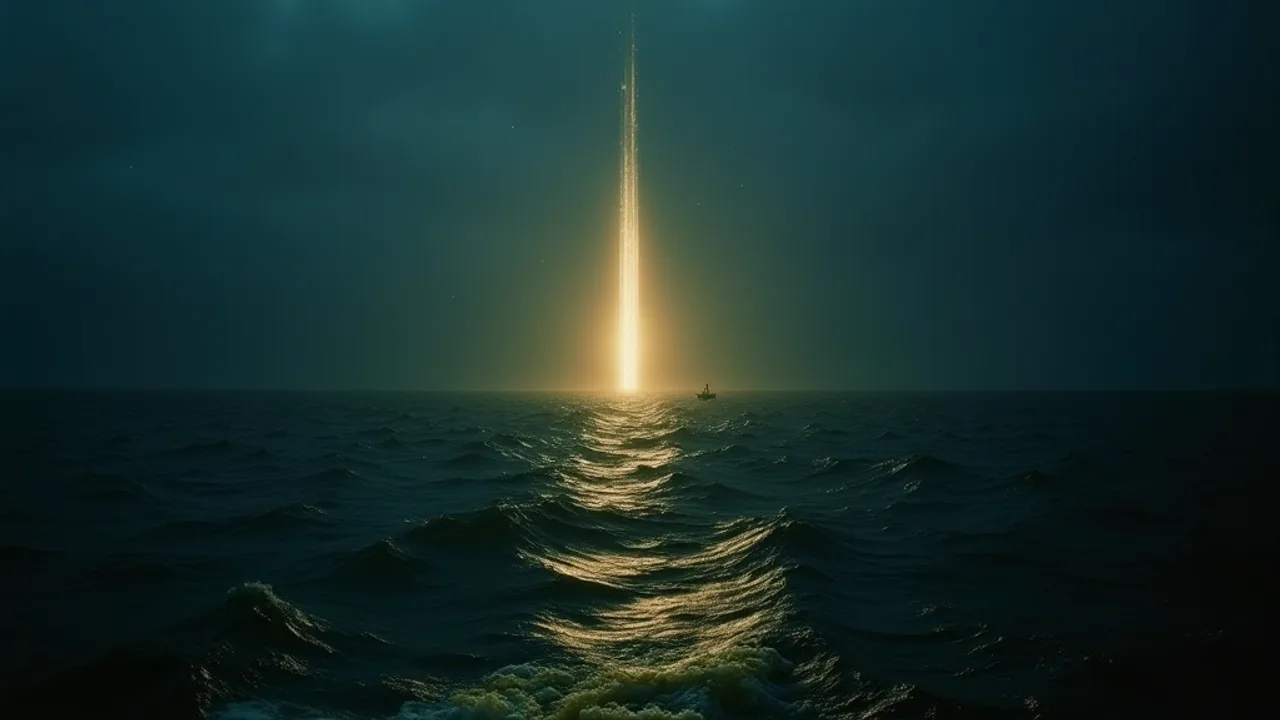 AI illustration

The thing that makes Shag Harbour unusual isn’t that people saw a UFO. It’s who responded, how fast, and what they wrote down. This is one of the very few cases where the paperwork is the point.
A little after 11:00 p.m. on October 4, 1967, several people near Shag Harbour, a fishing village on the south shore of Nova Scotia, watched a low object with a row of lights move over the water and descend toward the surface. Laurie Wickens and four friends saw it from the coast road and reported it as a downed aircraft. They were not the only witnesses: an Air Canada flight crew and a fishing-boat captain offshore reported the lights too, from different angles. Witnesses described a whistle, a whoosh, and a bang, then a pale object floating on the water before it slipped under.
The response is the evidence
The Royal Canadian Mounted Police were on scene within about fifteen minutes. A Canadian Coast Guard cutter reached the spot roughly an hour later. There was no missing aircraft, no bodies, no wreckage, only a reported patch of yellowish foam on the surface. When nothing turned up, the Royal Canadian Navy’s Fleet Diving Unit Atlantic searched the seafloor for about three days.
They found nothing. And because nothing was found and nothing was missing, the object could not be explained away as a known aircraft, so it was logged, in Government of Canada / Department of National Defence files, as a UFO. That designation is why Shag Harbour is so often called the only “officially documented” UFO crash a citizen can look up: not because the file proves a craft, but because an unimpeachable chain of officials, Mounties, Coast Guard, Navy, put their response on the record and the state never closed the question.
What the case is, and isn’t
Honesty requires the limits. The surviving primary record is thinner than the legend. Library and Archives Canada holds a Department of National Defence memo as the core document; some of the original RCMP paperwork appears not to have survived in the files. The dramatic later chapters, a second underwater object that supposedly moved up the coast toward a naval base near Shelburne, and a covert military recovery, come primarily from the investigative books of Don Ledger and Chris Styles, not from the declassified memo. Those are worth reading, but they are author-sourced claims, and we file them as claims.
The deflationary reading is the obvious one: a small aircraft, a meteor or piece of reentering debris, or a flare, something that hit the water, left a little residue, and sank without recoverable wreckage. “Unsolved” does not mean “extraterrestrial.” It means an object nobody could name went into the Atlantic while the RCMP watched.
Why it scores the way it does
On our rubric, Shag Harbour leans on two axes and is honest about the third. The witnesses are strong and independent, civilians, an airline crew, and police, from separate vantage points. The official record is strong and rare: a multi-agency government response, formally unresolved. But the instrumentation is weak, there is no radar tape, no photograph, no recovered material, only a three-day dive that came up empty and a slick of foam. That is precisely why the case is credible rather than closed.
What keeps it in the file is the trans-medium detail, an object that crossed from air into water and was gone, the same air-and-sea behavior the U.S. Navy would be quietly puzzling over off California decades later. In 1967, a fishing village watched it happen, and the Canadian government wrote it down and never crossed it out.
Every new case, scored the same way
One email when a case file lands, with its Signal-Strength score and what would move it. No hype, no 'BREAKING', and every claim carries its source. Unsubscribe anytime.
Sources
From the Canon
The reading list →Read next
More History & Lore →
What's Down There: USOs, the Catalina Window, and the Bases No One Will Confirm
Long before the Navy admitted the Tic Tac was real, sailors and fishermen off Southern California were watching objects rise out of the water and disappear back into it. The stretch of ocean between Los Angeles and Catalina Island has produced so many of these reports that researchers gave it a name. Here is the case for taking USOs seriously, and the reason 'underwater base' remains a claim, not a fact.
Kelly-Hopkinsville 1955: Eleven People, Four Hours of Gunfire, and No Evidence
A Kentucky farmhouse siege that produced consistent testimony from eleven witnesses, an immediate police response, and not one physical trace. The owl explanation is better than fans admit, and thinner than skeptics claim.
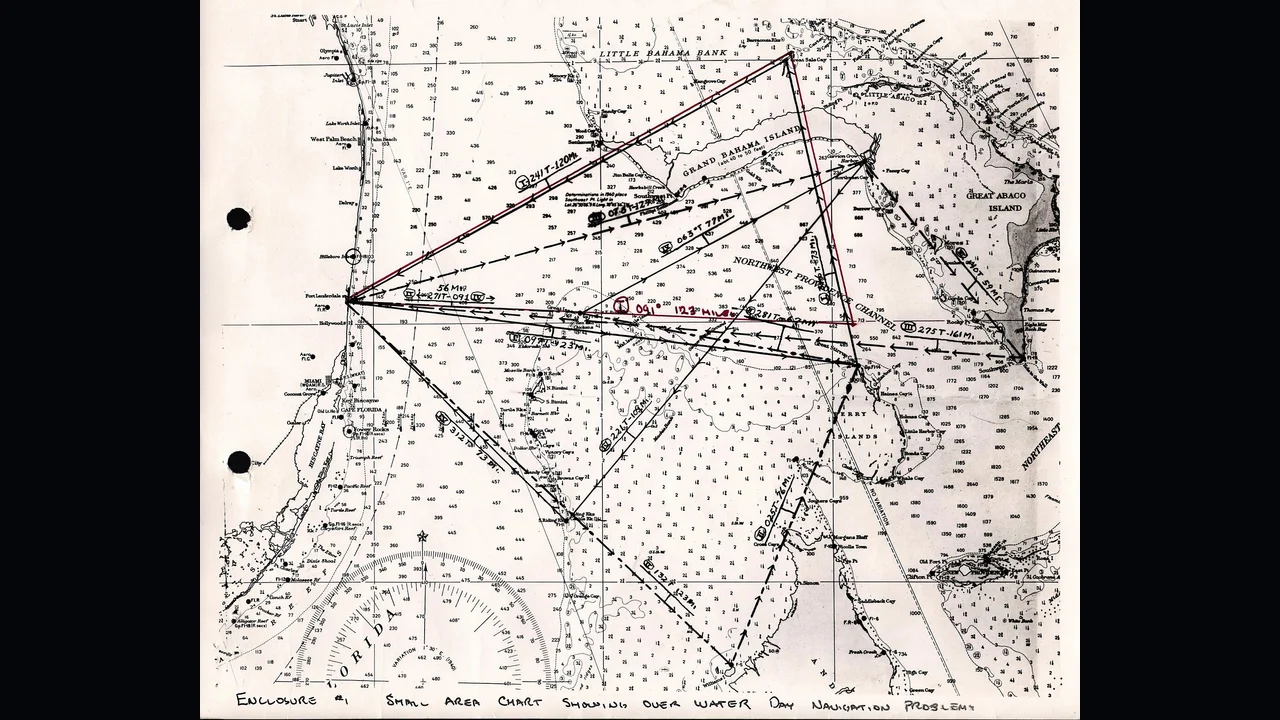
The Bermuda Triangle: A Mystery Assembled From Filing Errors
The most famous anomalous region on Earth was named in a pulp magazine in 1964 and dismantled by one researcher with a library card in 1975. It scores 2 out of 12, and that is generous.
Follow the thread
New disclosure reporting, physics breakdowns, and case files, in your inbox. Sources or it didn't happen. No spam, unsubscribe anytime.