Invisible Residents
Ivan T. Sanderson · 1970 · World Publishing Company
A trained naturalist argues that a technologically advanced civilization could have evolved in the oceans long before humans walked on land, and that unidentified objects entering and leaving the water are the evidence we keep ignoring.
Canon score
- Influence
- 2/3
- Rigor
- 1/3
- Holds up
- 1/3
- Readability
- 2/3
How much it shaped the field or the culture.
Evidentiary quality of the book's own method.
How its claims survive today's evidence.
Whether it's worth the hours.
Scored on the same rubric across every book. See the full shelf →
TL;DR
This is the book that invented the USO. Ivan T. Sanderson, a Scottish-born naturalist and prolific writer on the unexplained, took the flying-saucer question and pointed it down instead of up. His argument: life began in the sea hundreds of millions of years before it reached land, so if intelligence can evolve, the ocean had a head start, and a civilization down there could now be far beyond us. He gathers reports of objects entering and leaving the water, coins the term OINTs for “Other Intelligences,” and folds in the Bermuda Triangle for good measure. Read it as the origin point of underwater-object lore, not as proof that anyone lives down there.
What it claims
Sanderson catalogues what he calls Unidentified Aquatic Objects: lights and craft reported diving into or rising out of oceans, lakes, and rivers, sometimes at speeds no known vehicle could manage. He argues these transmedium sightings point to intelligent activity beneath the hydrosphere, possibly a civilization older and more advanced than ours that has simply gone unnoticed because we never built the instruments to look. He assembles supporting oddities: the “light wheels” seen turning under the sea, oceanic vortices, clusters of anomalies he maps geographically, and a chapter tying the Bermuda Triangle into the pattern. He also gestures at ancient Indian vimana accounts as possible historical echoes.
Why it matters
Before this book, the water angle of the UFO question barely existed as a category. Sanderson gave it a name, a framework, and a naturalist’s veneer of organization, and every later discussion of USOs and transmedium craft traces back through him. That matters more now than it did in 1970, because transmedium behavior is exactly what the modern Navy encounters describe, objects moving between air and sea without slowing. Sanderson was asking the right question decades early, even if his answer ran far ahead of his evidence. For a site that tracks the phenomenon across domains, he is a foundational name.
Does it hold up?
Unevenly, and you have to separate the observation from the explanation. The core report type, credible witnesses describing objects crossing the air-water boundary, is real and still unexplained, and cases like Shag Harbour keep the category alive. The grand thesis of a hidden undersea civilization is another matter: it is speculation built by analogy, unfalsifiable as stated, and supported by anomaly-collection rather than testable evidence. The Bermuda Triangle material has aged worst of all, since Larry Kusche’s investigation later showed most “Triangle” cases were exaggerated, misreported, or had ordinary explanations. Sanderson’s instinct that something genuine hides in the transmedium data has held up. His leap from there to underwater cities has not.
Read this if
You want the source text behind every USO claim you will ever read, and you can enjoy a curious naturalist reasoning out loud without mistaking his conclusions for findings. Pair it with our files on underwater anomalies off Catalina and the Shag Harbour incident.
Read the real thing
Our summary is a field guide, not a substitute. If it's worth your time, read the book. Full credit to the author.
Get the next Canon entry when it lands
New reviews, disclosure reporting, and case files, in your inbox. Sources or it didn't happen. No spam, unsubscribe anytime.
The cases behind the book
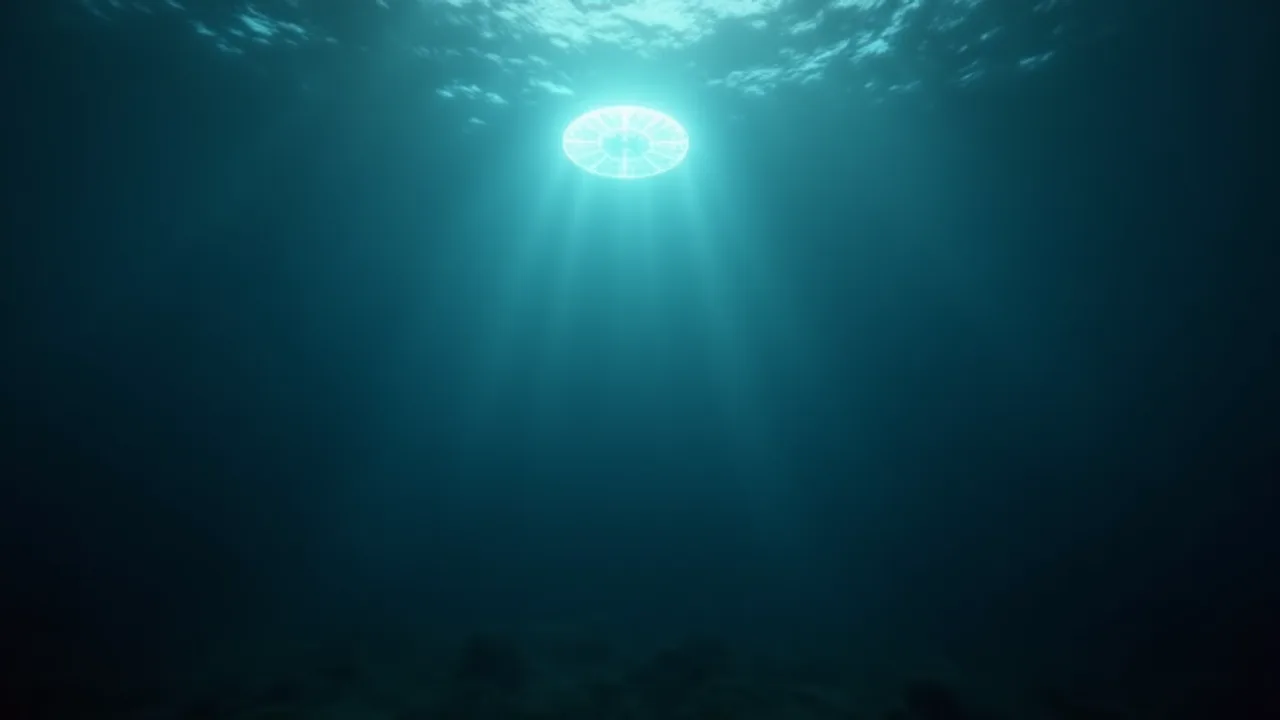
What's Down There: USOs, the Catalina Window, and the Bases No One Will Confirm
Long before the Navy admitted the Tic Tac was real, sailors and fishermen off Southern California were watching objects rise out of the water and disappear back into it. The stretch of ocean between Los Angeles and Catalina Island has produced so many of these reports that researchers gave it a name. Here is the case for taking USOs seriously, and the reason 'underwater base' remains a claim, not a fact.
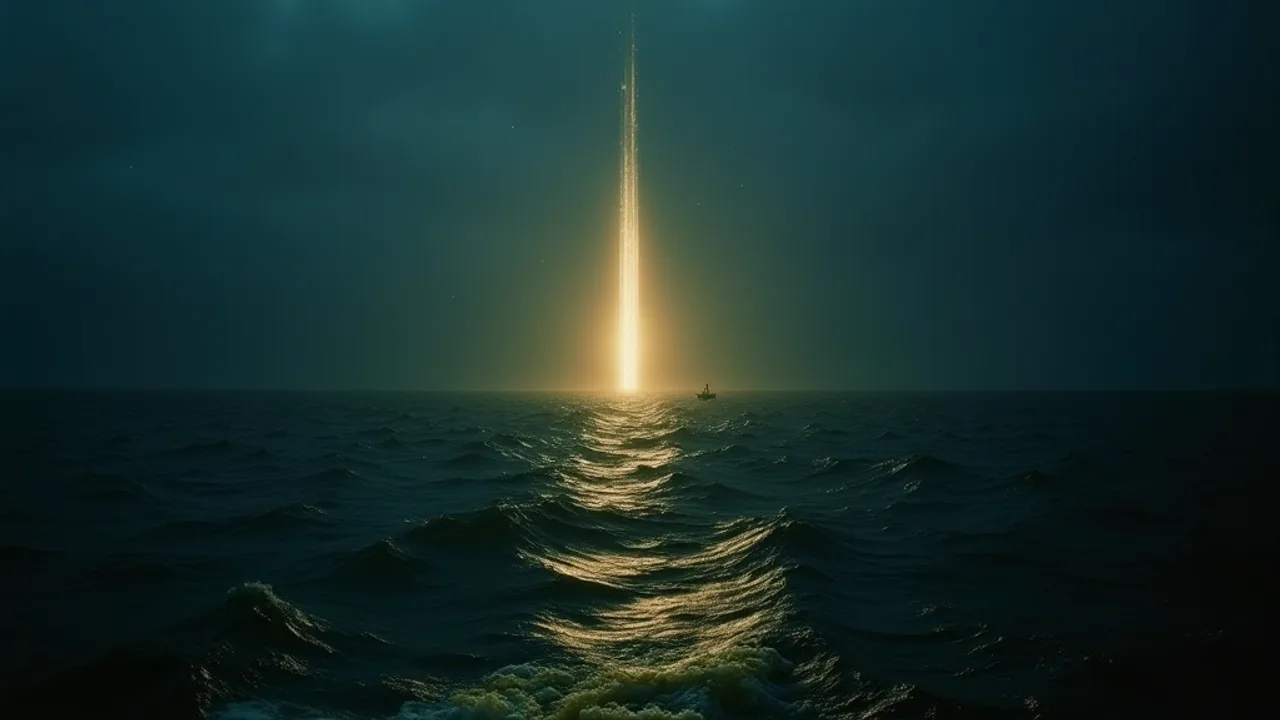
Shag Harbour, 1967: The UFO Canada Filed Under 'Unsolved'
Eleven people watched a lit object descend into the water off Nova Scotia. The RCMP responded, the Royal Canadian Navy sent divers, and they found nothing, which is exactly why it became one of the few UFO events a government has officially logged as unsolved.
More from the Canon
The full shelf →The Demon-Haunted World
Carl Sagan · 1995
Skepticism is not the enemy of wonder but its bodyguard, and the same tools that protect us from con artists are the tools that let us find out what is actually true.
Well-DocumentedChildhood's End
Arthur C. Clarke · 1953
Benevolent non-human overseers end war, want, and cruelty overnight, then shepherd humanity toward a transcendence we cannot survive as individuals, and the shepherds wear, exactly, the shape of the Devil.
ContestedContact With Alien Civilizations
Michael A.G. Michaud · 2007
A former US diplomat sets aside whether aliens are here and asks the harder question: what would contact with a genuine extraterrestrial civilization actually mean for humanity, and are we ready to decide.
Well-Documented