Pascagoula, 1973: The Night Two Fishermen Were Too Terrified to Be Lying
Two shipyard workers were fishing off a pier when, they said, a craft landed and three robotic figures floated them aboard. What makes the case endure isn't the story, it's a sheriff's hidden tape recorder, a polygraph, and the fact that a 19-year-old's life was wrecked by an account he spent decades trying to escape.
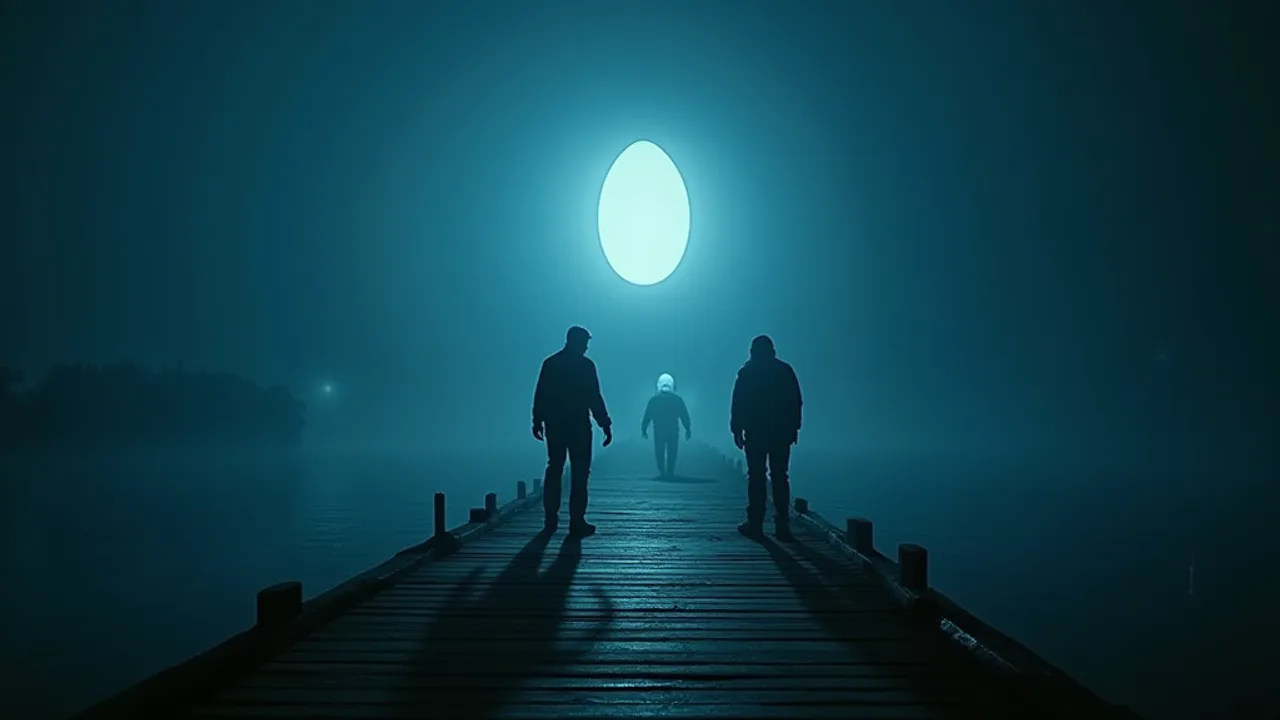 AI illustration
Shipyard workers Charles Hickson and Calvin Parker said a craft landed near a Mississippi river pier in October 1973 and robotic figures floated them aboard for an examination. A local sheriff secretly recorded the two men alone in a room immediately afterward, and their visible distress on that tape, along with Hickson's later polygraph result, is what investigators cite as the strongest evidence they believed their own account; no physical trace of the craft was ever found.

Charlie Hickson was 42. Calvin Parker was 19. On the evening of October 11, 1973, they were fishing off an old pier on the Pascagoula River, two shipyard workers killing time after a shift. What they reported next is, on its face, among the most absurd stories in the entire catalog, which is exactly why the way they told it matters more than what they told.
An egg-shaped craft with a bluish glow, they said, descended near the pier. A door opened. Three figures came out, and floated, rather than walked. They were described as roughly humanoid but wrong in every detail: pale, wrinkled, robotic in movement, with claw-like hands, slits for eyes, and conical points where ears and a nose should be. The figures took hold of the two men, who found themselves paralyzed, and drew them into the craft. Parker said he passed out from fear. Hickson described being examined by a floating instrument. Then they were back on the pier, and it was gone.
The detail that changed everything
A story this ridiculous should have died as a tall tale by morning. It did not, and the reason is a single decision by the Jackson County Sheriff’s Department.
After the men reported the encounter, deputies, half-convinced they were dealing with drunks or hoaxers, left the two alone together in a room and secretly left a tape recorder running, expecting to catch them laughing about the con. What the tape captured instead has become the spine of the case: two men, alone, believing no one was listening, still terrified, still talking about it as something that had genuinely happened. Hickson trying to calm Parker down. Parker, near hysterical, talking about wanting to see a doctor, praying. No wink, no plan, no break in the story when there was no audience left to perform for.
A hoax has an off switch. The moment the hoaxers think they’re alone, the act stops. The Pascagoula tape is famous because the act never stopped, because there was nothing on it to suggest these two men knew anything but raw, private fear.
Hickson later passed a polygraph examination. Both men, by every report, made no real money from the encounter and gained nothing but ridicule.
The cost, and the corroboration
The human evidence is in what the case did to the witnesses. Hickson spent the rest of his life as “the Pascagoula man,” telling the story until his death. Calvin Parker, barely an adult when it happened, was so traumatized and so hounded that he fled public life entirely for decades, suffered breakdowns, and only returned much later to write about it, insisting to the end that it was real. People who fabricate abductions for attention do not usually spend forty years hiding from the attention.
And Pascagoula was not as isolated as it first appeared. In the years since, other witnesses came forward describing strange lights over the river that same night, including a separate report from a man who said he saw something on the water near the same stretch, corroboration that arrived too late to help the men’s reputations but too consistent to wave off.
The case against
The skeptics’ position is straightforward and not unreasonable: there is no physical evidence, no burns, no landing trace, no photograph, and the entire case rests on the testimony of two men. The robotic, “claw-handed” figures resemble nothing else in the close-encounter record, which cuts both ways: either it is corroboration-resistant originality, or it is invention. Some have argued for hypnagogic hallucination, misperception, or an elaborate hoax that the men then felt unable to walk back.
What the mundane theories struggle with is the tape and the trajectory of the witnesses’ lives. A hoax that the hoaxers maintain in private, under no observation, and then suffer for across half a century is a strange kind of hoax.
What survives
Pascagoula offers no proof and never will, there is nothing to test, only people to believe or doubt. But it remains one of the hardest “two-witness” cases to dismiss, precisely because the corroboration is not a photo or a soil sample. It is a secret recording of two frightened men who did not know they were being heard, and the wreckage the night made of a teenager’s life.
Whatever happened on that pier, Charlie Hickson and Calvin Parker behaved, for fifty years, exactly like men telling the truth as they understood it. That is not evidence of aliens. It is evidence that something happened to them, and that is the part no one has explained away.
Every new case, scored the same way
One email when a case file lands, with its Signal-Strength score and what would move it. No hype, no 'BREAKING', and every claim carries its source. Unsubscribe anytime.
Sources
Read next
More History & Lore →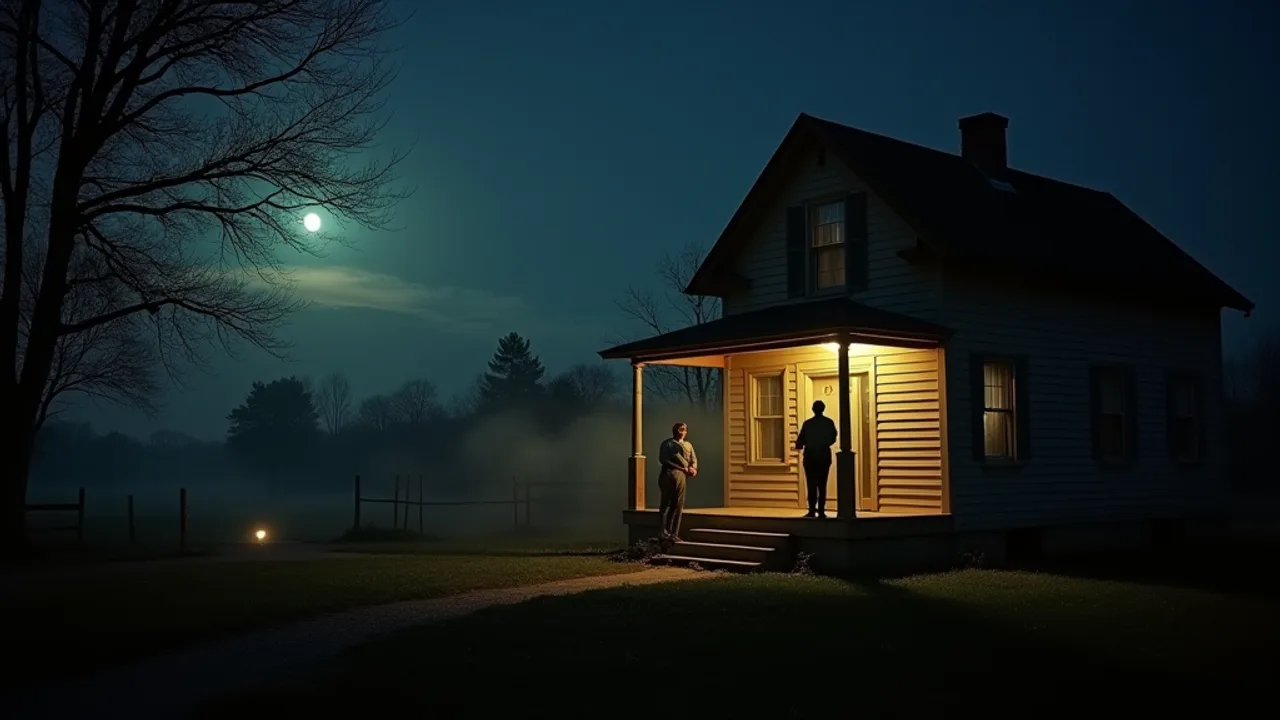
Kelly-Hopkinsville 1955: Eleven People, Four Hours of Gunfire, and No Evidence
A Kentucky farmhouse siege that produced consistent testimony from eleven witnesses, an immediate police response, and not one physical trace. The owl explanation is better than fans admit, and thinner than skeptics claim.
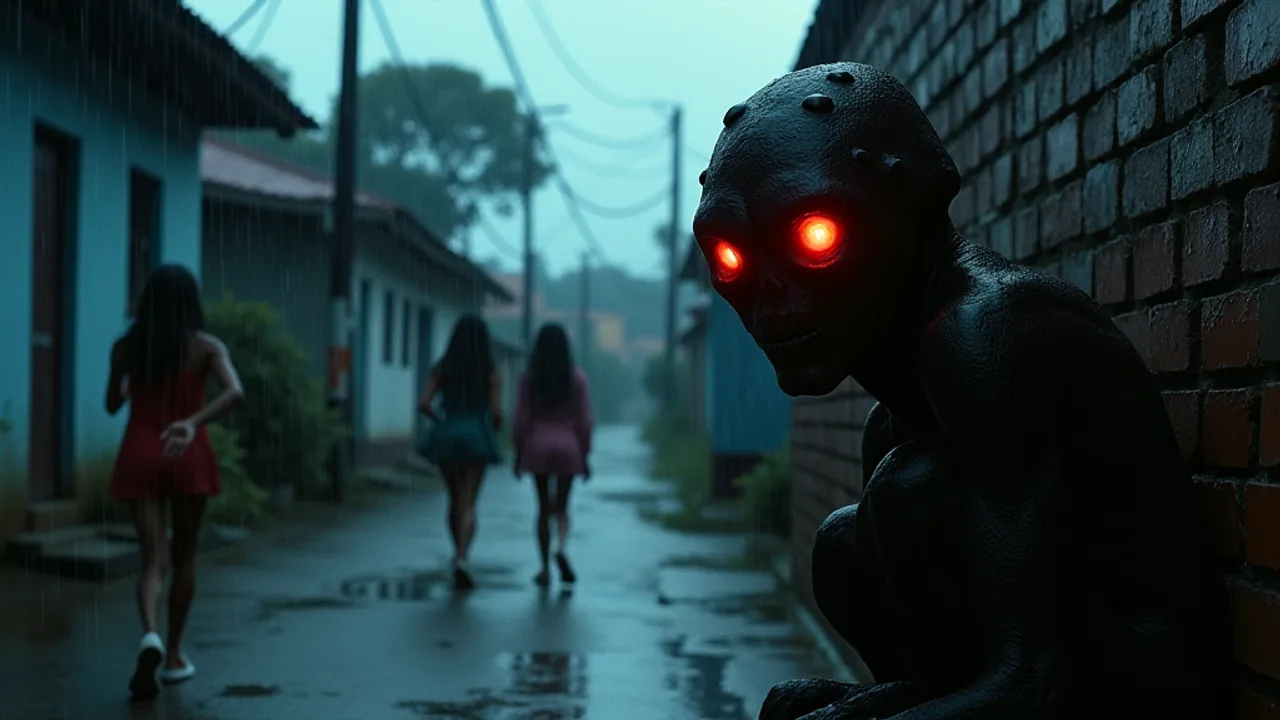
The Varginha Incident, Explained: Brazil's 'Roswell' and What the Evidence Actually Shows
In January 1996, three young women in Varginha, Brazil said they saw a hunched, red-eyed creature crouched by a wall. Thirty years later it's the most famous UFO case in the Southern Hemisphere, wrapped in claims of a military capture, a dead soldier, and a body flown to a university. Here's what was actually witnessed, what only got attached later, what the Brazilian Army's own inquiry concluded, and how the case scores once you separate the sighting from the legend.
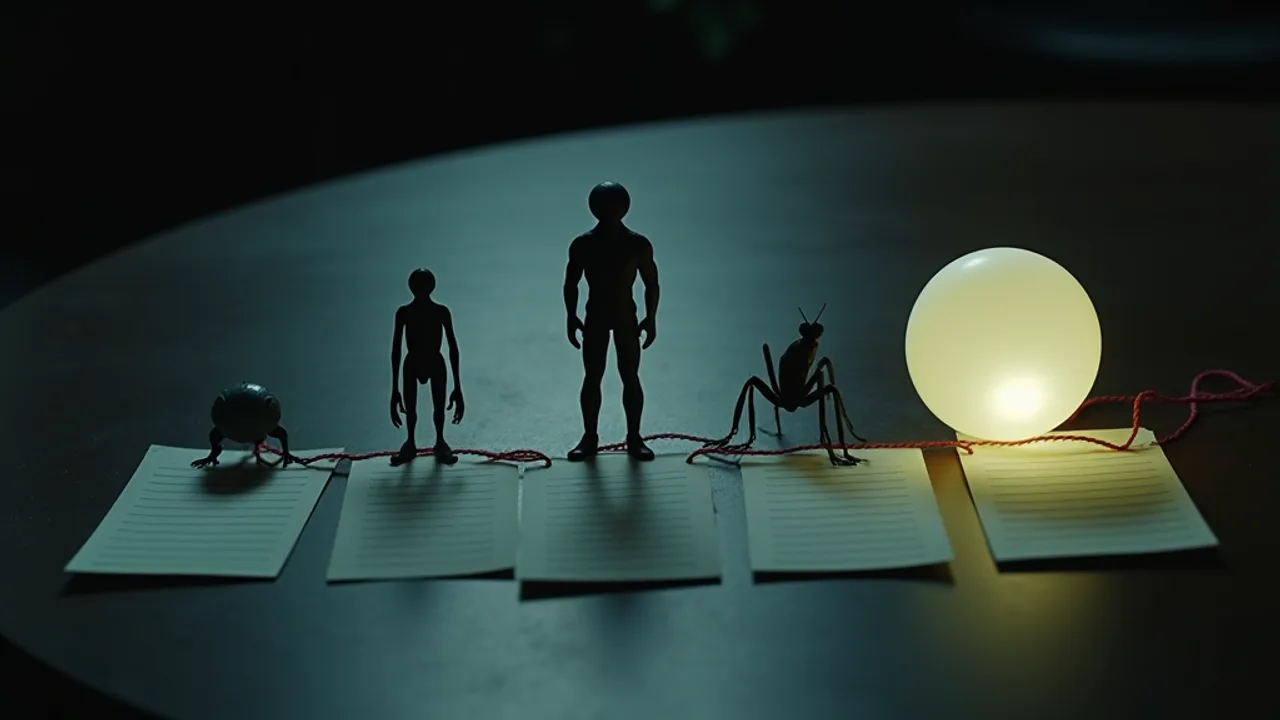
The Reported-NHI Field Guide: Every Claimed Non-Human Type, Graded by Provenance
Greys, Nordics, Reptilians, Insectoids, Tridactyls, and, as of June 2026, 'sentient plasmoid life.' Pop catalogs list a dozen alien races as if they were equally real. They are not equally evidenced. This is a field guide that logs each reported non-human type, ties it to the specific cases it actually comes from, and sorts the whole gallery into three honest tiers of provenance, from investigated physical encounters down to channeled starseed lore.
Follow the thread
New disclosure reporting, physics breakdowns, and case files, in your inbox. Sources or it didn't happen. No spam, unsubscribe anytime.