The Government Put Avi Loeb in Charge of UAP Science. Other Scientists Aren't Thrilled.
The man who argued an interstellar object might be alien technology now chairs the White House's UAP Science Advisory Council. The Associated Press got the reactions on the record, and the sharpest ones come from scientists, not skeptics.
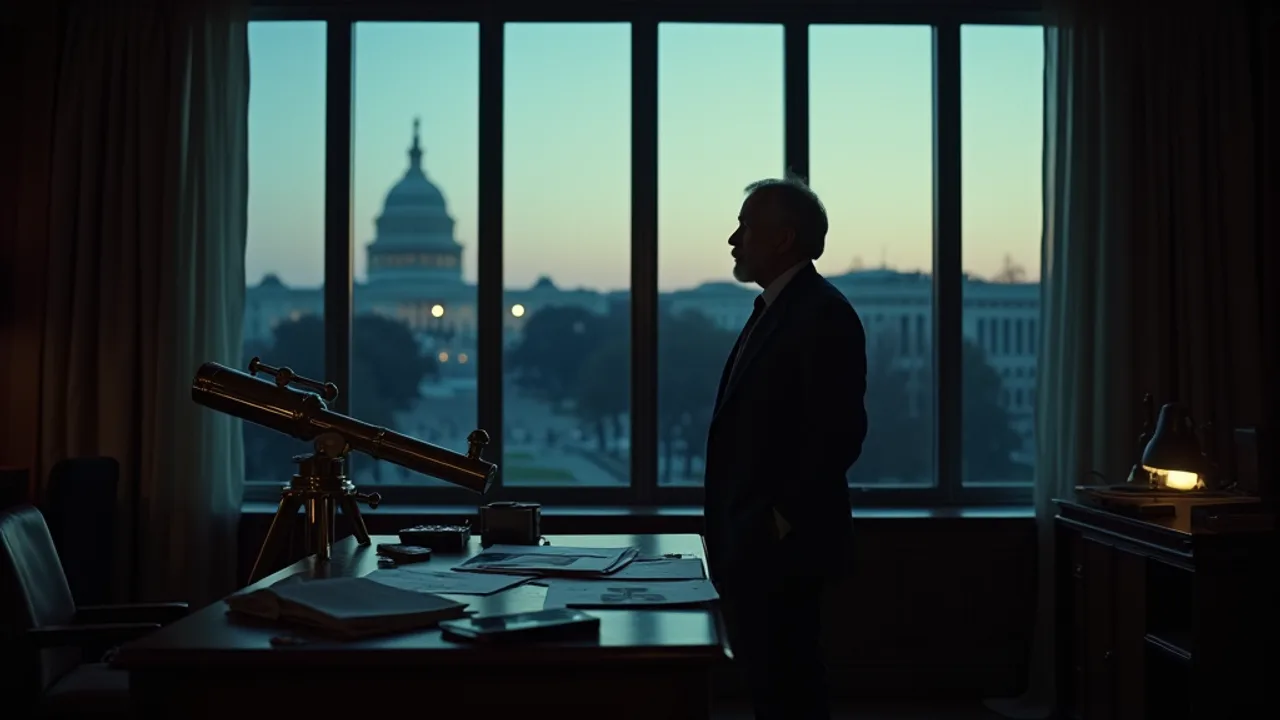 AI illustration
According to the Associated Press, the White House tapped Harvard astrophysicist Avi Loeb to lead a new UAP Science Advisory Council, a group of outside scientists that reports to an ODNI-overseen UAP Governance Board (which first met June 17, 2026). The AP wire story broke June 30 and was updated July 1, 2026. Loeb's own framing is that he was 'tasked' by the White House, AARO, ODNI and others to assemble the team. Named scientists including former AARO investigator Sean Kirkpatrick and ASU astrophysicist Steve Desch publicly criticized the choice.
The White House has put Avi Loeb in charge of the science of UFOs. Depending on which scientist you ask, that is either overdue or exactly the wrong call, and the Associated Press got both reactions on the record.
What was actually announced
Loeb, a Harvard astrophysicist, was named to lead a new UAP Science Advisory Council, a group of roughly 15 outside scientists tasked with studying the national-security dimension of unidentified anomalous phenomena. Per the AP, the council reports upward to a newly established UAP Governance Board overseen by the Office of the Director of National Intelligence, which held its first meeting on June 17, 2026 and supports the Pentagon’s All-domain Anomaly Resolution Office.
A note on timing and phrasing, because both have been blurred in the coverage. The council came together in mid-to-late June; the AP wire story that drove the national attention published June 30 and was updated July 1. And while the AP frames it as the White House having “tapped” Loeb, his own account is that he “had been tasked by the White House, AARO, ODNI, the FBI, and members of the intelligence community to assemble a team.” Attribute the “appointed by the White House” line to the AP; Loeb describes it as an assignment to build the group.
The pushback is coming from inside the field
The interesting part is not that skeptics object to a UAP council. It is that the objections quoted by the AP come from working scientists, aimed at Loeb specifically.
Sean Kirkpatrick, who previously investigated UAP at the Pentagon’s All-domain Anomaly Resolution Office, told the AP that Loeb is “not viewed favorably” in the scientific community and lacks national security experience. The AP adds that, in Kirkpatrick’s view, the makeup of Loeb’s team suggests the White House is more interested in fringe theories than hard science.
Steve Desch, an Arizona State University astrophysicist and frequent Loeb critic, was blunter: “I don’t know what’s going to come of this, but we’re not going to get any closer to answering these questions with him in charge.”
Loeb, for his part, is unbothered on the record. “It’s like a detective story,” he told the AP. “It’s a lot of fun, as long as you don’t pay too much attention to the critics.” Elsewhere he offered the line that doubles as his whole method: “Let’s keep our eyes on the orbs, not the social media.” He also allowed the more careful observation that “the government is baffled by not being able to infer the nature of some of these objects.” The White House, the AP notes, did not respond to a request for comment about the criticism.
Why the résumé cuts both ways
Loeb is polarizing for concrete reasons. In 2017 he argued the interstellar object ‘Oumuamua could be a thin light sail, possibly from alien technology, rather than a natural comet. He founded Harvard’s Galileo Project to hunt for artifacts of alien civilizations. In 2023 he led a Pacific expedition that recovered metallic spherules he suggested might be interstellar; other researchers said they were more likely volcanic rock or industrial ash.
That is either the ideal temperament for a question the mainstream has avoided, or a track record of reaching for the extraordinary before the ordinary is ruled out. Both readings are defensible, which is precisely why the appointment is a story.
The twist worth watching
Here is the wrinkle that makes this more than an academic food fight. Since taking the role, Loeb’s public commentary on the government’s own PURSUE file releases has often been deflationary. Faced with the Yellow Sea “six-pointed star” clip in the July 10 release, he attributed the shape to a camera diffraction artifact. Faced with the 1996 shuttle images, he called the object likely orbital debris. The man the critics cast as too credulous is, on the actual files, frequently the most cautious voice in the room.
Whether that caution holds as the pressure and the releases mount is the real test. For now, the government’s UAP science is being run by someone whose detractors and whose public file-reads point in opposite directions, and both are on the record.
Every new case, scored the same way
One email when a case file lands, with its Signal-Strength score and what would move it. No hype, no 'BREAKING', and every claim carries its source. Unsubscribe anytime.
Frequently asked
What is the UAP Science Advisory Council? +
A group of about 15 outside (non-government) scientists and specialists assembled to study the national-security dimension of unidentified anomalous phenomena. According to the Associated Press it reports to a newly established UAP Governance Board overseen by the Office of the Director of National Intelligence, which held its first meeting on June 17, 2026 and supports the Pentagon's All-domain Anomaly Resolution Office.
Who is Avi Loeb and why is the appointment controversial? +
Avi Loeb is a Harvard astrophysicist who chaired the university's astronomy department for nearly a decade. He is known for arguing that the 2017 interstellar object 'Oumuamua could be alien technology, and for the Galileo Project's search for artifacts of alien civilizations. Critics, including scientists quoted by the AP, argue those positions make him a poor fit to lead a rigorous government science effort; supporters see an open-minded scientist willing to take the question seriously.
Which scientists criticized the choice, and what did they say? +
Per the Associated Press, Sean Kirkpatrick, who previously investigated UAP at the Pentagon's All-domain Anomaly Resolution Office, said Loeb is 'not viewed favorably' in the scientific community and lacks national security experience. Arizona State University astrophysicist Steve Desch said, 'we're not going to get any closer to answering these questions with him in charge.'
How does this connect to the PURSUE file releases? +
Loeb now chairs the government's UAP science council while the Department of War continues releasing UAP records through PURSUE. In public commentary on those files he has often offered deflationary readings, camera diffraction artifacts, orbital debris, rather than extraordinary claims, which puts the official science lead's caution ahead of many of the headlines.
Sources
- [1] New government UFO panel led by polarizing Harvard astronomer, Associated Press (Collin Binkley, June 30 / updated July 1, 2026)
- [2] Harvard professor to lead new White House UFO council, The Hill
- [3] ODNI Launches Interagency UAP Governance Board, MeriTalk (June 22, 2026)
- [4] A UAP Science Advisory Council to the U.S. Government, Avi Loeb (Medium, primary)
- [5] White House picks Harvard professor with polarizing alien theories to lead new UFO council, PBS NewsHour (AP)
Read next
More Disclosure →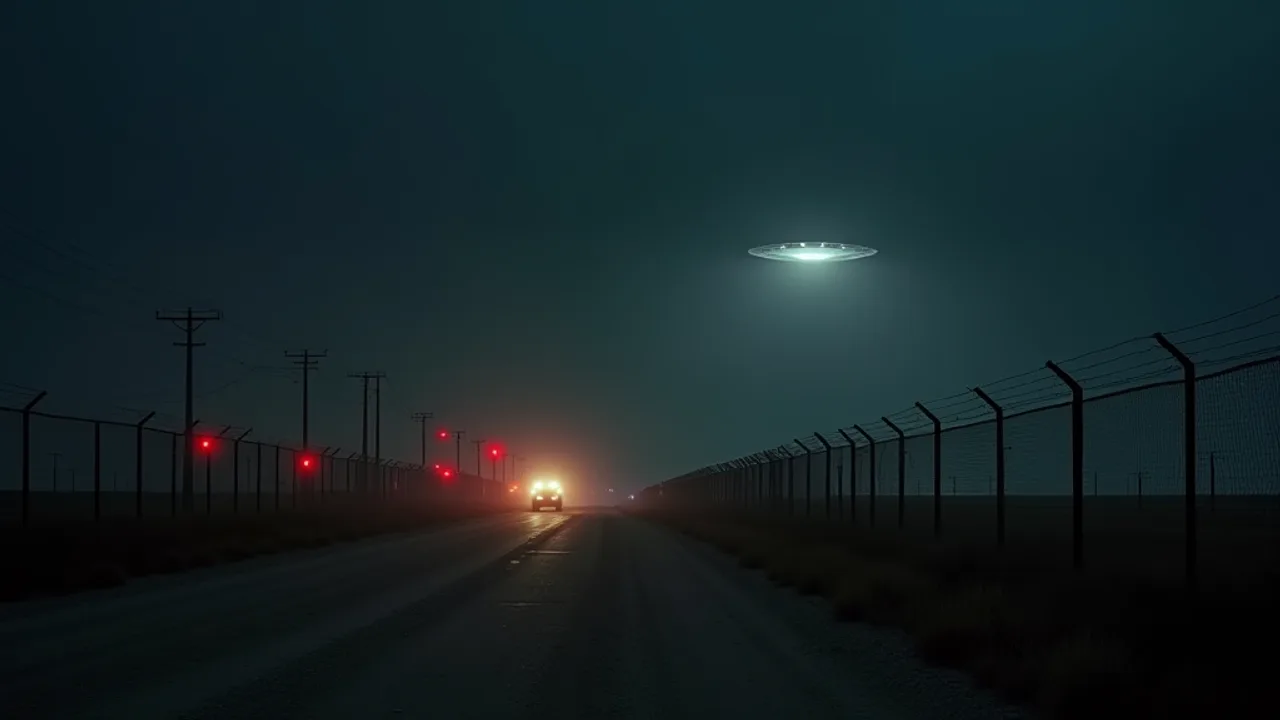
PURSUE Release 04: A UFO Put a Nuclear-Weapons Plant on Lockdown
The fourth PURSUE tranche landed on July 10 with 40 files from five agencies. The one that matters isn't the 1949 physics conference or the shuttle images. It's a 2015 Department of Energy report describing an unidentified object over the Pantex nuclear-weapons facility that put the site on lockdown, and that two officers chased without ever identifying what it was.
PURSUE Release 07: The Black Triangle, Read Against the FBI's Own Version
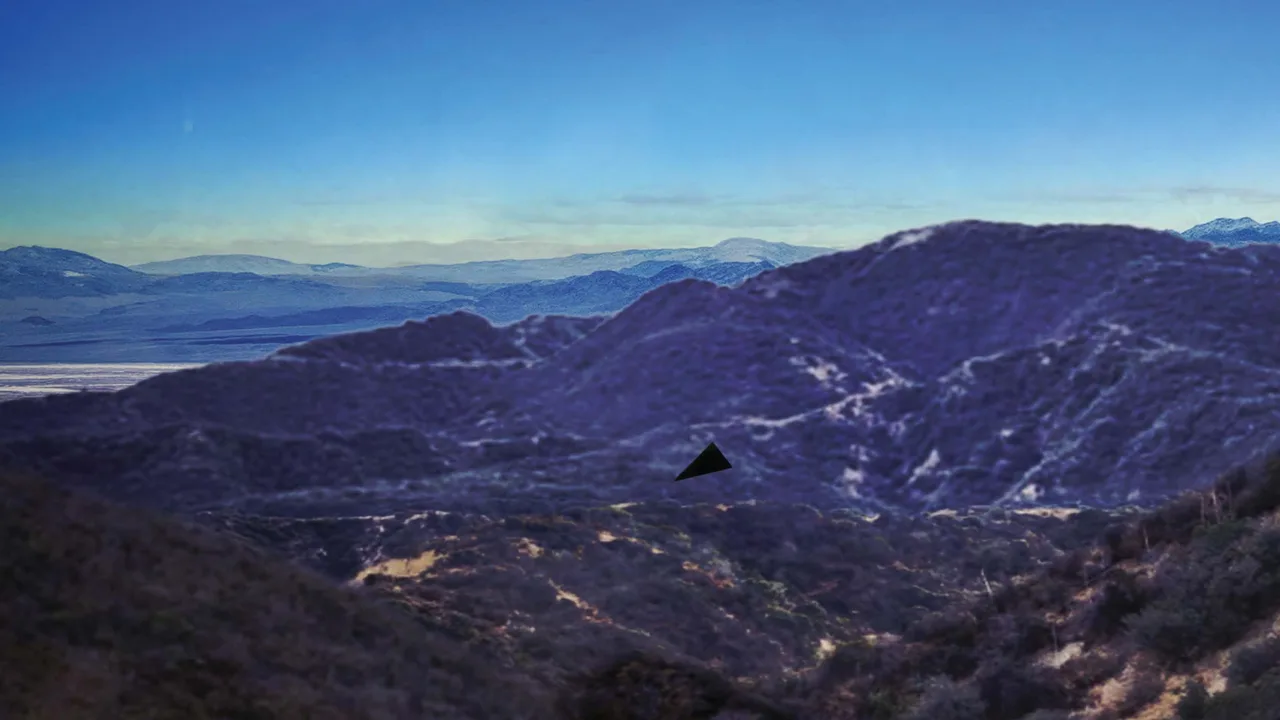
The seventh PURSUE tranche is 28 documents and no video. The headline is a silent black triangle seen by federal agents at a western U.S. national security site in 2026. We read the AARO memo and the FBI interview side by side, and they do not tell the same story. Also inside: Skinwalker Ranch hair that DNA-tested as raccoon and dog, a contractor plan to store crash debris in an underground vault, and a 1949 letter to Kenneth Arnold that the Air Force never answered.
Orbs Launching Orbs: We Read the Whole AARO File. One Agent Says There Is Video.
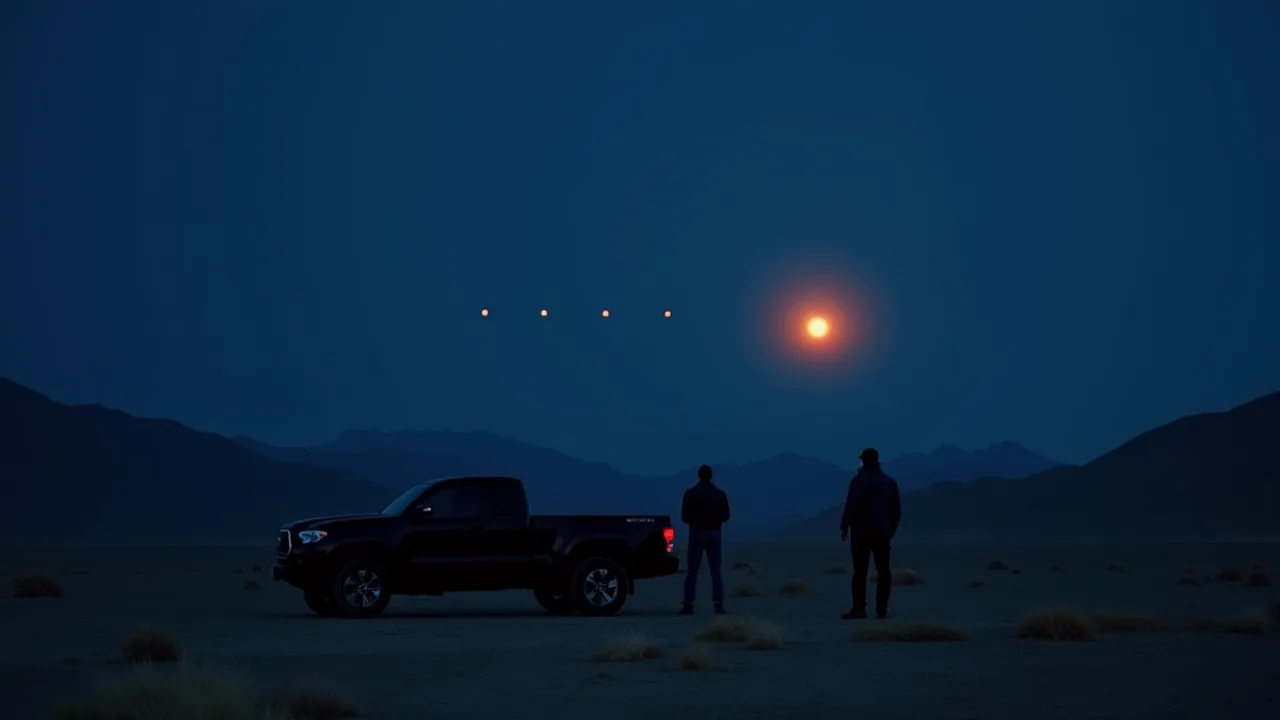
A viral headline says the Pentagon released 155,000 pages of UFO documents. It did not. That number is a New York Times compilation from seven countries. The Pentagon file the story leans on is real, though, and nobody has read it in full: a signed AARO memo and five first-hand statements from federal agents who chased lights near a sensitive site in October 2023. AARO pins about 60 percent on military flares and carries 'unrecognized technology' as a pending hypothesis for the rest. It also says the agents collected no video. One agent's own statement, released in the same batch, refers to video footage twice.
Follow the thread
New disclosure reporting, physics breakdowns, and case files, in your inbox. Sources or it didn't happen. No spam, unsubscribe anytime.